- +91-9860996584 Call Us Now
- sumitchaudharic12@gmail.com Drop Us a Line
Kidney Stones
Kidney stones are hard deposits that develop inside the kidneys when certain minerals and salts in the urine become concentrated and form crystals. Small kidney stones may pass naturally, while larger stones can cause severe pain, urinary blockage, infection or other complications.
Dr. Sumit Chaudhari provides evaluation and treatment for kidney stones at Usha Urology & Andrology Clinic in Pimple Saudagar, Pune. With expertise in Urology, Endourology and minimally invasive stone procedures such as RIRS, URSL and PCNL, he evaluates the size, location and nature of the stone before recommending a suitable treatment approach.
Patients from Pimple Saudagar, Wakad, Rahatani, Pimple Nilakh, Pimple Gurav and other areas of PCMC can consult Dr. Sumit Chaudhari for kidney stone-related symptoms and treatment planning.
What Are Kidney Stones?
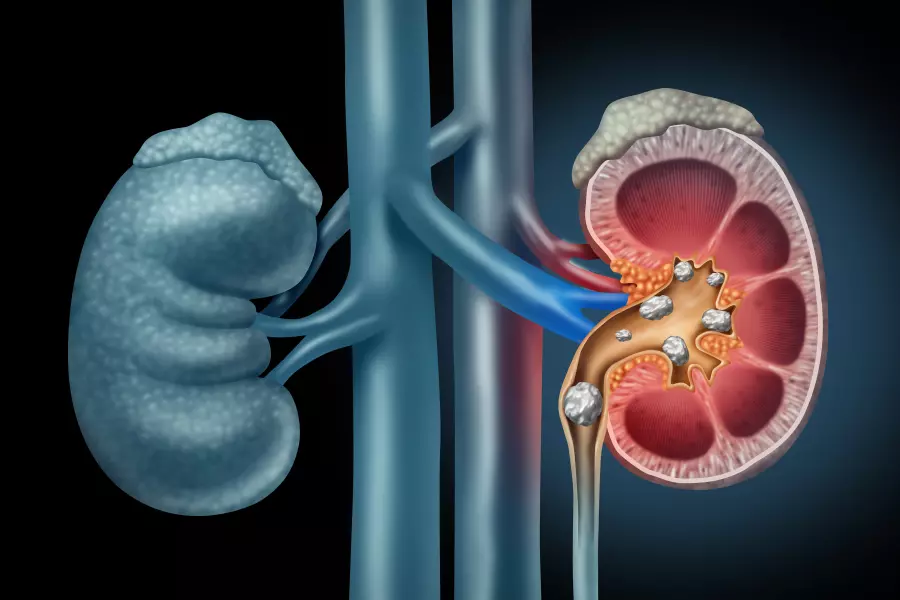
Kidney stones, also known as renal stones or urinary stones, develop when substances such as calcium, oxalate or uric acid become concentrated in the urine and form crystals.
Stones may remain inside the kidney or move into the ureter, the tube connecting the kidney to the bladder. A stone blocking the ureter can interfere with urine drainage and may cause severe pain.
Kidney stone treatment depends on factors such as the size and location of the stone, symptoms, presence of infection, kidney function and whether the stone is causing urinary obstruction.
Common Types of Kidney Stones:
Kidney stones can be made from different substances. Common types include:
- Calcium Stones: Calcium stones are the most common type of kidney stone. They usually form when there is too much calcium or certain minerals in the urine. Drinking enough water and following a suitable diet may help reduce the risk of developing them again.
- Uric Acid Stones: Uric acid stones can develop when the urine contains too much uric acid. They are more common in people with high uric acid levels or certain dietary habits. Proper hydration and dietary changes can help prevent their formation.
- Struvite Stones: Struvite stones are usually linked to urinary tract infections. They can grow quickly and sometimes become quite large. Treating the underlying infection is important to prevent these stones from coming back.
- Cystine Stones: Cystine stones are rare and occur due to an inherited condition that causes excess cystine in the urine. They can develop repeatedly, sometimes from a young age. Drinking plenty of fluids and regular medical care can help manage the condition.
Understanding the type of stone can sometimes help in planning measures to reduce the chance of future stone formation.
Causes and Risk Factors for Kidney Stones:
Kidney stones do not always have a single cause. Factors that may increase the risk include:
- Not drinking enough fluids
- Previous history of kidney stones
- Family history of urinary stones
- Certain dietary patterns
- High levels of particular minerals in the urine
- Recurrent urinary infections
- Some metabolic or medical conditions
- Certain medicines
- Structural abnormalities affecting urine drainage
Patients who develop kidney stones repeatedly may require additional evaluation to identify possible contributing factors.
Symptoms of Kidney Stones:
A stone inside the kidney may cause no symptoms until it moves or interferes with urine flow.
Common symptoms may include:
- Severe pain in the side or back
- Pain radiating towards the lower abdomen or groin
- Blood in the urine
- Pain or burning while passing urine
- Frequent urge to urinate
- Nausea or vomiting
- Cloudy or foul-smelling urine
- Difficulty passing urine
Fever or chills associated with a suspected urinary stone may indicate an infection and should be assessed promptly.
How Are Kidney Stones Diagnosed?
Evaluation usually begins with a discussion of symptoms and medical history.
Depending on the patient’s condition, investigations may include:
- Urine examination
- Blood tests
- Ultrasound of the kidneys and urinary tract
- X-ray when appropriate
- CT scan
- Kidney function tests
Imaging helps determine the number, size and location of stones and whether they are causing obstruction.
Can Kidney Stones Pass Naturally?
Some small kidney stones can pass through the urinary tract without surgery. The decision to observe a stone depends on its size, location, symptoms and whether the kidney is draining normally.
Patients may be advised about hydration, pain control and medicines when appropriate. Follow-up imaging may be necessary to confirm whether the stone has passed.
Persistent pain, infection, obstruction, deterioration in kidney function or stones that are unlikely to pass may require an endoscopic or surgical procedure.
Kidney Stone Treatment Options:
Treatment is selected according to the individual patient rather than using the same procedure for every stone.
Options may include:
- Medicines and Observation: Small stones without significant obstruction may sometimes be managed conservatively with medicines, adequate fluids and monitoring.
- URSL – Ureteroscopic Lithotripsy: Ureteroscopic Lithotripsy, commonly called URSL, is an endoscopic procedure used particularly for stones located in the ureter. A thin instrument is passed through the natural urinary passage to reach the stone. The stone can then be fragmented and removed.
- RIRS – Retrograde Intrarenal Surgery: RIRS is a minimally invasive endoscopic procedure used to treat selected kidney stones.
- A flexible ureteroscope is passed through the urinary tract into the kidney without making a large external incision. The stone can then be visualised, fragmented and treated using appropriate instruments.
- PCNL – Percutaneous Nephrolithotomy: PCNL may be recommended for selected larger or complex kidney stones. During PCNL, the kidney is accessed through a small tract created through the back, allowing the surgeon to break and remove the stone.
The appropriate procedure depends on stone size, stone location, urinary anatomy and the patient’s overall medical condition.
When Is Kidney Stone Surgery Needed?
A procedure may be considered when:
- The stone is unlikely to pass naturally
- Pain continues despite treatment
- The stone causes urinary obstruction
- Kidney function is at risk
- Recurrent infections occur
- The stone is large or complex
- There are stones in both kidneys or other associated urinary problems
Dr. Sumit Chaudhari discusses the available options after reviewing the patient’s imaging and clinical condition.
Preventing Recurrent Kidney Stones:
Patients who have already developed a kidney stone may have a risk of developing stones again.
Preventive measures may include:
- Drinking adequate fluids as advised
- Avoiding dehydration
- Following dietary advice based on stone type
- Limiting excessive salt intake where appropriate
- Managing underlying metabolic conditions
- Treating recurrent urinary infections
- Completing recommended follow-up tests
Patients with recurrent stones may require stone analysis, blood tests or urine investigations to help identify possible causes.
Kidney Stone Treatment by Dr. Sumit Chaudhari:
Dr. Sumit Chaudhari is a Consultant Urologist with expertise in Endourology and minimally invasive kidney stone procedures. His areas of surgical expertise include PCNL, URSL and RIRS.
At Usha Urology & Andrology Clinic, Pimple Saudagar, patients can undergo consultation, review of scans and treatment planning for kidney and urinary stones. When a hospital-based procedure is required, the appropriate surgical plan and place of treatment can be discussed during consultation.
When Should You Consult a Urologist?
Consider a urological evaluation if you experience:
- Severe or recurrent pain in the side or back
- Blood in urine
- Repeated urinary infections
- Pain while urinating
- Difficulty passing urine
- Previously diagnosed kidney stones
- Recurrent kidney stones
- A stone detected on ultrasound or CT scan
Early evaluation can help identify obstruction, infection and other complications that may require treatment.
Frequently Asked Questions:
A urologist manages conditions involving kidney stones and the urinary tract. Dr. Sumit Chaudhari provides kidney stone consultations at Usha Urology & Andrology Clinic in Pimple Saudagar, Pune.
No. Some smaller stones may pass naturally. Treatment depends on the size and location of the stone, symptoms, obstruction, infection and kidney function.
URSL is commonly used for ureteric stones, RIRS allows flexible endoscopic access to selected stones inside the kidney, and PCNL is commonly considered for selected larger or complex kidney stones. The appropriate procedure is determined after clinical and imaging evaluation.
Yes. Some patients develop recurrent stones. Adequate hydration, appropriate dietary measures and investigation of underlying risk factors may help reduce recurrence.
Kidney stones can cause blood in the urine, but blood in urine can also occur due to several other urinary conditions. It should therefore be medically evaluated.
A stone can sometimes interfere with urine drainage and may occur together with urinary infection. Fever or chills associated with stone symptoms require prompt medical attention.
You can consult Dr. Sumit Chaudhari at Usha Urology & Andrology Clinic, Pimple Saudagar, for kidney stone evaluation, diagnosis and treatment planning.
Book an Appointment
If you have kidney stone symptoms, recurrent stones or a stone detected on ultrasound or CT scan, consult Dr. Sumit Chaudhari at Usha Urology & Andrology Clinic, Pimple Saudagar, Pune, for evaluation and appropriate treatment planning.
WhatsApp us