- +91-9860996584 Call Us Now
- sumitchaudharic12@gmail.com Drop Us a Line
Endourology
Endourology is a specialised branch of urology that uses small endoscopic instruments to diagnose and treat urinary tract conditions through the natural urinary passage or through very small access points. It allows many urological problems to be treated without traditional large-incision surgery.
Dr. Sumit Chaudhari provides endourology consultation and treatment planning at Usha Urology & Andrology Clinic in Pimple Saudagar, Pune. His expertise includes Endourology, kidney stone procedures, ureteric and bladder procedures, Genito-Urinary Surgery and minimally invasive urological surgery.
Patients from Pimple Saudagar, Wakad, Rahatani, Pimple Nilakh, Pimple Gurav and nearby areas of PCMC can consult Dr. Sumit Chaudhari for urinary stones, urinary obstruction and other conditions that may require endoscopic urological treatment.
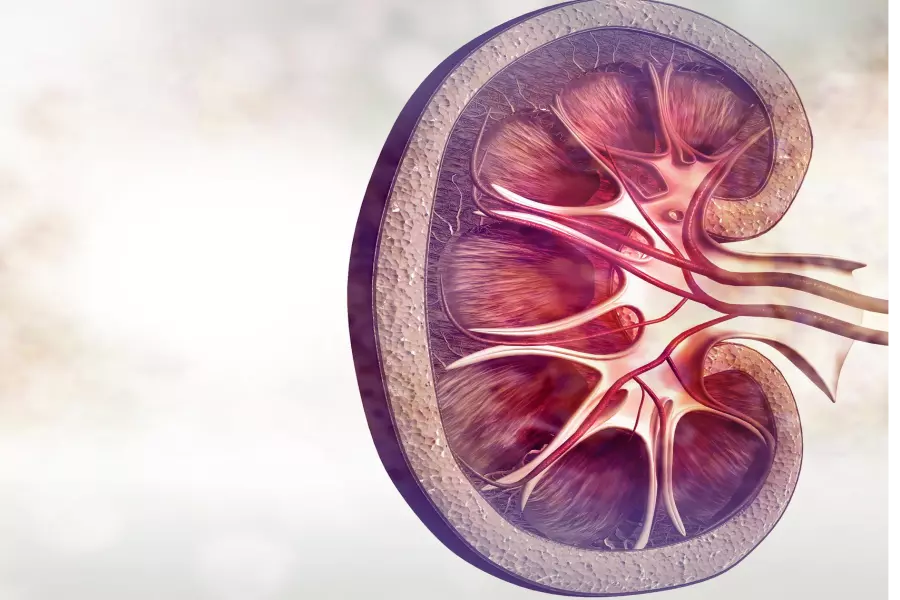
What Is Endourology?
Endourology involves the use of specialised instruments such as cystoscopes, ureteroscopes and nephroscopes to examine and treat the urinary tract. These instruments may be introduced through the urethra or through a small access tract, depending on the procedure.
Endourological techniques are commonly used for conditions involving:
- Kidney stones
- Ureteric stones
- Bladder stones
- Urethral stricture
- Urinary obstruction
- Bladder tumours
- Certain prostate conditions
- Urinary tract abnormalities
The exact procedure depends on the diagnosis and location of the problem.
What Conditions Can Be Treated With Endourology?
Endourology can be used in the diagnosis or treatment of several urological conditions.
Common examples include:
- Bladder Stones: Bladder stones may sometimes be treated endoscopically through the natural urinary passage.
- Urethral Stricture: Selected urethral strictures may be treated using endoscopic procedures such as Optical Internal Urethrotomy.
- Bladder Tumours: Endoscopic procedures such as cystoscopy and TURBT may be used to diagnose and treat bladder tumours.
- Urinary Obstruction: Endoscopic procedures may be used to relieve certain types of urinary obstruction caused by stones, strictures or other structural conditions.
- Kidney and Ureteric Stones: Endoscopic techniques are widely used to treat stones in the kidney and ureter.
- URSL
- RIRS
- PCNL
- Cystoscopic procedures for selected urinary stones
Endourology for Kidney Stones:
Kidney stone treatment is one of the most common applications of endourology.
Depending on stone size and location, treatment may include:
URSL – Ureteroscopic Lithotripsy:
URSL is commonly used for stones located in the ureter. A ureteroscope is passed through the urinary passage to reach the stone. The stone may then be fragmented and removed. No large external incision is usually required.
RIRS – Retrograde Intrarenal Surgery:
RIRS is a flexible endoscopic procedure used for selected kidney stones. A flexible ureteroscope is passed through the urethra, bladder and ureter into the kidney. The stone can then be visualised and fragmented using specialised instruments.
PCNL – Percutaneous Nephrolithotomy:
PCNL is commonly considered for selected larger or complex kidney stones. A small tract is created through the back to access the kidney directly. A nephroscope is then used to break and remove the stone. The most appropriate procedure depends on stone size, location, anatomy and the patient’s overall condition.
Cystoscopy:
Cystoscopy is an endoscopic procedure used to examine the inside of the urethra and bladder.
It may be recommended for evaluation of:
- Blood in urine
- Recurrent urinary infections
- Bladder abnormalities
- Urethral stricture
- Suspected bladder tumour
- Persistent urinary symptoms
- Urinary obstruction
Cystoscopy may be diagnostic or may form part of another treatment procedure.
Endoscopic Treatment for Urethral Stricture:
Urethral stricture is a narrowing of the urethra caused by scar tissue. Selected short strictures may be treated using an endoscopic procedure called Optical Internal Urethrotomy or OIU.
During the procedure, the narrowed area is treated from inside the urethra without making a large external incision. Longer or recurrent strictures may require reconstructive surgery instead.
Endourology for Bladder Tumours:
Bladder tumours are commonly evaluated using cystoscopy. If a tumour is identified, Transurethral Resection of Bladder Tumour, commonly called TURBT, may be performed.
The procedure allows the urologist to remove or obtain tissue from the bladder tumour through the urinary passage. The tissue is then sent for pathological examination.
Benefits of Endourological Procedures:
Depending on the condition and procedure, potential advantages may include:
- Smaller or no external incision
- Reduced tissue disruption
- Shorter hospital stay in selected patients
- Earlier return to normal activities in many cases
- Direct visualisation of the urinary tract
- Ability to diagnose and treat certain conditions during the same procedure
However, suitability depends on the patient’s individual condition.
Is Endourology Suitable for Every Patient?
No.
The decision depends on factors such as:
- Type of urological condition
- Size and location of stones
- Length and severity of a stricture
- Urinary anatomy
- Previous surgeries
- Infection
- Kidney function
- Overall medical condition
Some patients may require laparoscopic, reconstructive or open surgery instead.
How Are Patients Evaluated Before an Endourology Procedure?
Pre-procedure evaluation may include:
- Medical history
- Physical examination
- Urine tests
- Blood tests
- Kidney function tests
- Ultrasound
- X-ray
- CT scan
- Other imaging where required
The exact tests depend on the planned procedure.
What to Expect After an Endourological Procedure?
Recovery depends on the type of procedure performed.
Some patients may temporarily experience:
- Mild burning while passing urine
- Increased urinary frequency
- Small amounts of blood in urine
- Mild discomfort
A urinary catheter or DJ stent may sometimes be required temporarily. Patients receive specific instructions regarding medicines, hydration, activity and follow-up.
What Is a DJ Stent?
A Double-J or DJ stent is a thin tube placed between the kidney and bladder to help urine drain through the ureter. A DJ stent may be used after certain stone procedures or when urinary drainage needs to be maintained. It is usually temporary and should be removed or changed according to the urologist’s advice.
When Should You Consult an Endourologist?
Endourological evaluation may be useful if you have:
- Kidney stones
- Ureteric stones
- Recurrent urinary stones
- Blood in urine
- Urethral stricture
- Difficulty passing urine
- Bladder stones
- Recurrent urinary infections
- Bladder tumour
- Urinary obstruction
- A condition for which an endoscopic procedure has been advised
Endourology Treatment by Dr. Sumit Chaudhari:
Dr. Sumit Chaudhari is a Consultant Urologist with expertise in Endourology and minimally invasive urinary tract procedures.
His areas of expertise include:
- RIRS
- URSL
- PCNL
- Cystoscopy
- Endoscopic stone treatment
- Endoscopic treatment of selected urethral strictures
- Bladder tumour evaluation
- Other minimally invasive urological procedures
At Usha Urology & Andrology Clinic in Pimple Saudagar, patients can undergo consultation, review of imaging and treatment planning for conditions that may require endourological management.
Frequently Asked Questions:
Endourology is a branch of urology that uses endoscopic instruments to diagnose and treat urinary tract conditions through natural urinary passages or small access points.
Endourology is one important part of minimally invasive urology. Minimally invasive urology also includes laparoscopic and other small-incision surgical techniques.
Common endourological stone procedures include URSL, RIRS and PCNL.
Many endourological procedures are performed through the natural urinary passage and do not require a large incision. PCNL uses a small access tract through the back.
URSL is commonly used to treat ureteric stones, while RIRS uses a flexible scope to reach selected stones inside the kidney.
Cystoscopy is used to examine the bladder and urethra and may help investigate blood in urine, bladder tumours, recurrent infections, strictures and urinary obstruction.
A DJ stent may be required after certain procedures, but not every patient needs one. The decision depends on the procedure and urinary drainage.
You can consult Dr. Sumit Chaudhari at Usha Urology & Andrology Clinic in Pimple Saudagar, Pune, for endourology evaluation and treatment planning.
Book an Appointment
If you have kidney or ureteric stones, urinary obstruction, urethral stricture, bladder stones or another condition that may require an endoscopic urological procedure, consult Dr. Sumit Chaudhari at Usha Urology & Andrology Clinic, Pimple Saudagar, Pune.
WhatsApp us