- +91-9860996584 Call Us Now
- sumitchaudharic12@gmail.com Drop Us a Line
Urethral Stricture
Urethral stricture is a narrowing of the urethra, the tube that carries urine from the bladder out of the body. When the urethra becomes narrowed because of scar tissue, urine flow can become slow or difficult. Some patients may also experience recurrent urinary infections, incomplete bladder emptying or urinary retention.
Dr. Sumit Chaudhari provides evaluation and treatment for urethral stricture at Usha Urology & Andrology Clinic in Pimple Saudagar, Pune. As a Consultant Urologist with expertise in Endourology, Genito-Urinary Surgery and reconstructive urological care, he evaluates the location, length and severity of the stricture before recommending an appropriate treatment plan.
Patients from Pimple Saudagar, Wakad, Rahatani, Pimple Nilakh, Pimple Gurav and nearby areas of PCMC can consult for weak urine flow, difficulty urinating and other symptoms related to urethral narrowing.
What Is Urethral Stricture?
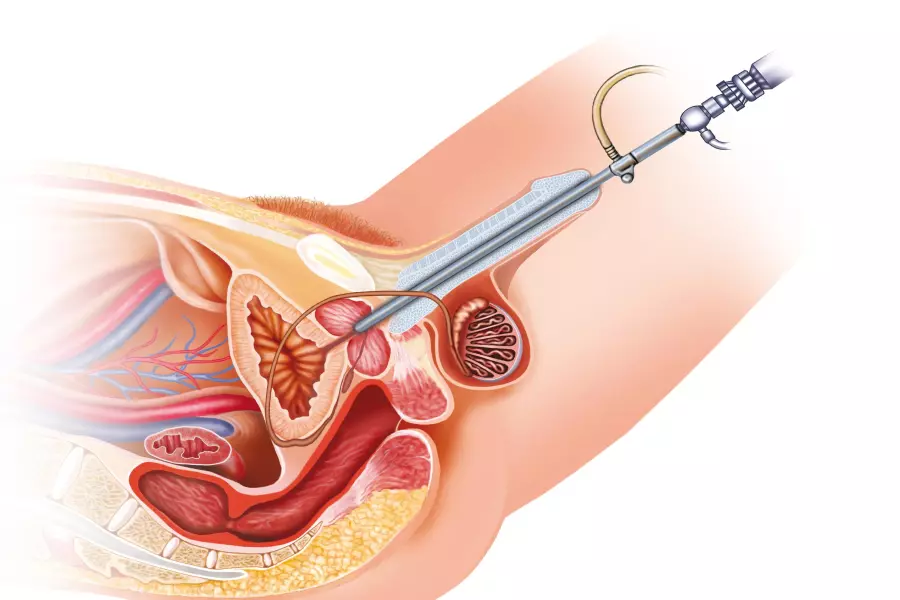
The urethra is the passage through which urine leaves the bladder. A urethral stricture develops when scar tissue forms within or around the urethra and narrows the urinary passage. The narrowing may be short or long and may occur at different parts of the urethra.
The severity of symptoms depends on how much the urethra is narrowed and whether urine can pass freely.
What Causes Urethral Stricture?
Urethral stricture can develop for several reasons.
Common causes include:
- Previous urinary catheterisation
- Injury or trauma to the urethra
- Previous urinary or prostate surgery
- Previous endoscopic procedures
- Infection or inflammation
- Pelvic injury
- Sexually transmitted infections in some cases
- Previous treatment involving the urethra
- Scar tissue after surgery
In some patients, the exact cause may not be clearly identified.
Symptoms of Urethral Stricture:
Common symptoms include:
- Weak urine stream
- Thin or reduced urine flow
- Difficulty starting urination
- Straining while passing urine
- Spraying or splitting of the urine stream
- Feeling of incomplete bladder emptying
- Frequent urination
- Urinary urgency
- Dribbling after urination
- Pain or discomfort while passing urine
- Recurrent urinary tract infections
- Blood in the urine in some cases
A severe stricture can sometimes cause complete urinary retention.
Can Urethral Stricture Cause Urinary Retention?
Yes. If the urethra becomes severely narrowed, urine may not be able to pass normally.
This can lead to:
- Incomplete bladder emptying
- Recurrent urinary infections
- Bladder stones
- Bladder dysfunction
- Pressure on the upper urinary tract in severe or prolonged obstruction
- Sudden inability to pass urine
Complete inability to urinate requires urgent medical evaluation.
How Is Urethral Stricture Diagnosed?
Diagnosis usually begins with a detailed history of urinary symptoms and previous procedures, infections or injuries.
Depending on the clinical situation, tests may include:
- Urine Tests: Urine examination may help identify infection or blood in the urine.
- Uroflowmetry: Uroflowmetry measures the speed and pattern of urine flow. A reduced urinary flow can suggest obstruction but does not identify the exact cause by itself.
- Ultrasound: Ultrasound may be used to assess the kidneys, bladder and the amount of urine remaining after urination.
- Retrograde Urethrogram: A retrograde urethrogram is an imaging test that can help determine the location and length of the stricture.
- Cystoscopy / Urethroscopy: A thin endoscopic instrument may be used to directly examine the urethra and identify the narrowing.
Not every patient requires every test. Investigations are selected based on symptoms and previous history.
Treatment for Urethral Stricture:
Treatment depends on several factors, including:
- Location of the stricture
- Length of the narrowed segment
- Severity of obstruction
- Whether the stricture has returned after previous treatment
- Previous surgeries or procedures
- Patient’s overall health
Common treatment options include:
Urethral Dilatation:
Urethral dilatation involves gradually widening the narrowed area using specialised instruments. It may be suitable for selected short strictures. However, some strictures can recur after dilatation and may require further treatment.
Optical Internal Urethrotomy:
Optical Internal Urethrotomy, often called OIU or DVIU, is an endoscopic procedure in which the narrowed scar tissue is incised from inside the urethra. The procedure is performed through the natural urinary passage without an external incision.
It may be considered for selected short strictures, particularly in appropriate first-time cases.
Urethroplasty:
Urethroplasty is reconstructive surgery used to repair the narrowed urethra.
It may be considered for:
- Longer strictures
- Dense scar tissue
- Recurrent strictures
- Strictures that have not responded to endoscopic treatment
Different urethroplasty techniques may be used depending on the location and length of the stricture. In some cases, scarred tissue can be removed and healthy ends reconnected. In other situations, tissue grafts may be used to reconstruct the urethra.
Which Treatment Is Best for Urethral Stricture?
There is no single treatment that is best for every patient.
For example:
- Selected short strictures may be managed with endoscopic treatment.
- Recurrent or longer strictures may require reconstructive surgery.
- The patient’s previous treatment history also influences the decision.
A proper assessment of the stricture is therefore important before choosing treatment.
Can Urethral Stricture Come Back After Treatment?
Yes. Urethral strictures can recur after treatment, particularly after repeated dilatation or endoscopic procedures in some patients. Follow-up is important if symptoms such as weak urinary flow return. Patients with recurrent strictures may require further imaging or reconstructive surgery.
Recovery After Urethral Stricture Treatment:
Recovery depends on the procedure performed. After endoscopic procedures, some patients may require temporary catheterisation. After urethroplasty, catheterisation is usually required for a longer period while the reconstructed urethra heals.
Patients receive individual instructions regarding:
- Catheter care
- Activity
- Medicines
- Hygiene
- Follow-up
- When normal activity can be resumed
The treating urologist determines the appropriate recovery plan.
When Should You Consult a Urologist?
Consider urological evaluation if you experience:
- Persistently weak urine flow
- Straining while passing urine
- Spraying or splitting of urine
- Recurrent urinary infections
- Feeling that the bladder is not emptying
- Difficulty starting urination
- Previous history of urethral stricture
- Return of urinary symptoms after previous treatment
Sudden inability to pass urine requires urgent medical attention.
Urethral Stricture Treatment by Dr. Sumit Chaudhari
Dr. Sumit Chaudhari is a Consultant Urologist with expertise in Endourology, Genito-Urinary Surgery and treatment of urinary obstruction.
At Usha Urology & Andrology Clinic in Pimple Saudagar, he evaluates patients with suspected or previously diagnosed urethral stricture and recommends appropriate investigations and treatment based on the location and severity of the narrowing.
Patients with previous dilatation, OIU or recurrent stricture can also consult for further evaluation and treatment planning.
Frequently Asked Questions:
A weak or reduced urine stream is one of the most common symptoms. Patients may also experience straining, incomplete bladder emptying or recurrent urinary infections.
Common causes include previous catheterisation, urinary procedures, trauma, infection, inflammation and scar formation after surgery.
Some short strictures may be treated with urethral dilatation or endoscopic urethrotomy. More complex or recurrent strictures may require reconstructive surgery.
Optical Internal Urethrotomy is an endoscopic procedure in which the scar tissue causing the narrowing is incised from inside the urethra.
Urethroplasty is reconstructive surgery used to repair a narrowed urethra. It is commonly considered for longer, recurrent or complex strictures.
Yes. Recurrence is possible, particularly in some longer or recurrent strictures. Further evaluation may be required if urinary symptoms return.
Severe or prolonged urinary obstruction can affect bladder function and, in selected cases, may place pressure on the upper urinary tract. Appropriate treatment can help relieve the obstruction.
You can consult Dr. Sumit Chaudhari at Usha Urology & Andrology Clinic, Pimple Saudagar, Pune, for evaluation and treatment planning for urethral stricture.
Book an Appointment
If you have weak urine flow, difficulty passing urine, recurrent urinary infections or a previously diagnosed urethral stricture, consult Dr. Sumit Chaudhari at Usha Urology & Andrology Clinic, Pimple Saudagar, Pune, for appropriate evaluation and treatment planning.
WhatsApp us