- +91-9860996584 Call Us Now
- sumitchaudharic12@gmail.com Drop Us a Line
Kidney Disease
The kidneys perform several important functions, including filtering waste products from the blood, maintaining fluid and electrolyte balance and producing urine. Diseases affecting the kidneys can interfere with these functions and, depending on the cause, may also affect urine drainage or the structure of the urinary system.
Dr. Sumit Chaudhari provides urological evaluation for kidney-related conditions at Usha Urology & Andrology Clinic in Pimple Saudagar, Pune. His expertise includes Urology, Endourology, Laparoscopic Urological Surgery, Genito-Urinary Surgery and Renal Transplant Surgery.
Patients with structural, obstructive or surgically treatable kidney conditions can undergo evaluation and treatment planning. Patients whose kidney disease primarily requires medical management may also need coordinated care with a nephrologist.
What Is Kidney Disease?
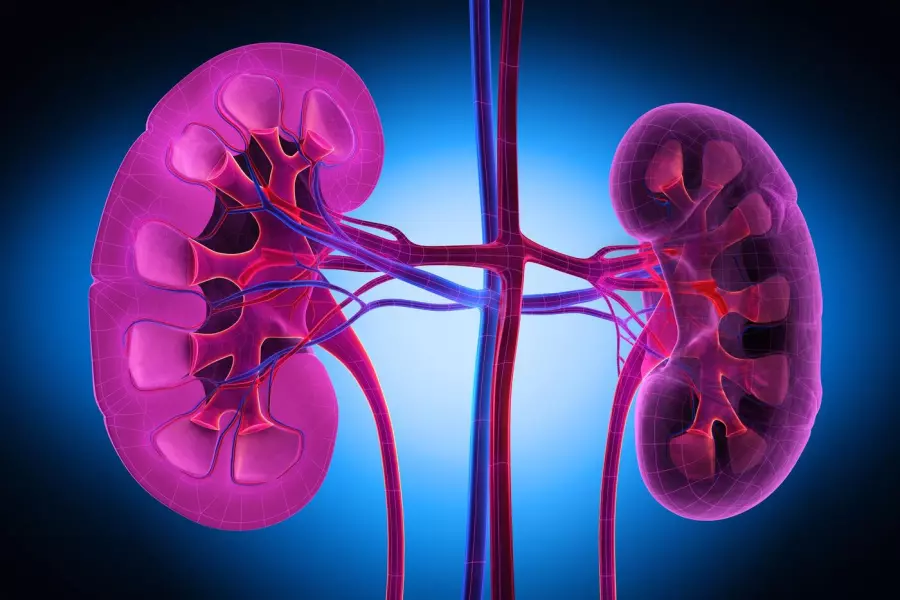
Kidney disease is a broad term covering conditions that affect the structure or function of one or both kidneys. Some conditions develop suddenly, while others progress slowly over months or years.
Kidney problems encountered in urological practice may include:
- Urinary obstruction
- Kidney stones
- Kidney infections
- Congenital abnormalities
- Hydronephrosis
- Kidney cysts
- Kidney tumours
- Structural abnormalities of the kidney or ureter
- Conditions requiring reconstructive surgery
- Advanced kidney disease requiring transplant evaluation
Correctly identifying the cause is important because treatment varies considerably between different kidney conditions.
Common Causes of Kidney Problems:
Kidney function or structure can be affected by multiple factors, including:
- Diabetes
- High blood pressure
- Kidney or ureteric stones
- Urinary obstruction
- Recurrent urinary infections
- Congenital urinary tract abnormalities
- Enlarged prostate causing prolonged obstruction
- Certain hereditary conditions
- Kidney tumours
- Some medicines or other medical conditions
Diabetes and high blood pressure are major causes of chronic kidney disease and typically require medical kidney care, while obstruction, stones, tumours and structural urinary problems frequently require urological evaluation.
Symptoms of Kidney Disease:
Kidney disease may not always cause symptoms in its early stages.
Depending on the underlying problem, symptoms may include:
- Swelling around the feet or ankles
- Changes in urine frequency
- Blood in the urine
- Foamy urine
- Pain in the side or back
- Difficulty passing urine
- Reduced urine output
- Recurrent urinary infections
- Tiredness
- Nausea or reduced appetite
Symptoms alone cannot determine the type or severity of kidney disease. Appropriate investigations are therefore important.
Urological Kidney Conditions:
Some kidney conditions involve the urinary drainage system and are primarily managed by a urologist.
- Urinary Obstruction: Blockage of urine flow can occur due to stones, narrowing of the urinary tract, enlarged prostate or other structural conditions. Prolonged obstruction can place pressure on the kidneys and may affect kidney function.
- Hydronephrosis: Hydronephrosis means swelling of the kidney because urine is not draining normally. The underlying cause needs to be identified. Treatment depends on whether the obstruction is caused by a stone, narrowing, prostate problem or another urinary condition.
- Kidney Stones: Kidney stones can cause pain, urinary obstruction, infection or blood in urine. Depending on their size and location, treatment may include observation, medicines, URSL, RIRS or PCNL.
- Kidney Tumours: A growth detected in the kidney requires proper imaging and specialist assessment to determine whether further investigation or surgical treatment is necessary.
- Recurrent Kidney or Urinary Infections: Repeated infections may sometimes be related to stones, obstruction or another structural urinary abnormality that requires urological evaluation.
Chronic Kidney Disease:
Chronic kidney disease, commonly known as CKD, occurs when the kidneys remain damaged or do not function normally over a prolonged period. Early CKD may cause few or no noticeable symptoms.
Patients with diabetes, high blood pressure, heart disease or a family history of kidney disease may require regular kidney function testing. CKD is frequently managed by physicians or nephrologists. A urologist becomes particularly important when kidney dysfunction is related to urinary obstruction, stones, prostate disease or another condition requiring a procedure or surgery.
How Is Kidney Disease Diagnosed?
The tests required depend on the suspected cause.
Evaluation may include:
- Medical history
- Physical examination
- Urine analysis
- Urine protein or albumin testing
- Serum creatinine
- Estimated glomerular filtration rate (eGFR)
- Other blood tests
- Ultrasound of kidneys and urinary tract
- CT scan
- Other specialised imaging when required
These tests help determine kidney function as well as identify stones, obstruction, swelling or structural abnormalities.
Treatment for Kidney Disease:
There is no single treatment suitable for every kidney disease.
Treatment depends on the underlying diagnosis.
1. Medical Management:
Medical kidney diseases may require:
- Blood pressure control
- Diabetes management
- Kidney-protective medicines where appropriate
- Dietary guidance
- Monitoring kidney function
- Treatment of associated medical conditions
These aspects are often managed in coordination with a physician or nephrologist.
2. Treatment of Urinary Obstruction:
If kidney function is affected because urine cannot drain properly, the obstruction may need to be relieved. Treatment depends on the cause and may involve endoscopic, minimally invasive or surgical procedures.
3. Kidney Stone Treatment:
Kidney stones may require medicines, RIRS, URSL, PCNL or another suitable treatment depending on their size and location.
4. Surgery for Structural Kidney Conditions:
Selected structural abnormalities, tumours or obstructive conditions may require laparoscopic, endoscopic, reconstructive or open urological surgery.
When Should You Consult a Urologist for a Kidney Problem?
A urologist may be particularly appropriate when kidney disease is associated with:
- Kidney or ureteric stones
- Hydronephrosis
- Urinary obstruction
- Blood in urine
- Recurrent urinary infections
- Abnormal kidney imaging
- Kidney masses or tumours
- Congenital urinary tract abnormalities
- Difficulty draining urine
- A possible requirement for urological surgery
Medical kidney disease without a structural urinary problem may require nephrology consultation.
Protecting Kidney Health:
General measures that can support kidney health include:
- Maintaining adequate hydration as medically appropriate
- Controlling blood pressure
- Managing diabetes
- Avoiding unnecessary self-medication
- Treating urinary infections appropriately
- Seeking evaluation for persistent urinary obstruction
- Following recommended kidney function tests
- Attending follow-up appointments when an abnormality has been detected
Advice should be individualised for patients who already have impaired kidney function, heart disease or other medical conditions.
Kidney Disease Evaluation by Dr. Sumit Chaudhari:
Dr. Sumit Chaudhari is a Consultant Urologist with expertise in Endourology, Genito-Urinary Surgery, Laparoscopic Urological Surgery and Renal Transplant Surgery.
At Usha Urology & Andrology Clinic in Pimple Saudagar, he evaluates kidney conditions with a urological or surgical component and recommends further investigations or treatment according to the diagnosis.
Where medical kidney disease requires specialist nephrology management, coordinated multidisciplinary care may be advised.
Frequently Asked Questions:
Blood in urine, persistent side or back pain, changes in urination, swelling, recurrent urinary infections and abnormal kidney test results can occur with kidney conditions. The exact cause requires medical evaluation.
No. Urologists primarily manage structural and surgical diseases of the kidneys and urinary tract. Chronic medical kidney disease is often managed by a nephrologist. Some patients need care from both specialists.
Persistent obstruction can interfere with urine drainage and may eventually affect kidney function. Identifying and treating the cause is important.
Depending on the problem, tests may include urine analysis, serum creatinine, eGFR, urine albumin testing, ultrasound and CT imaging.
A stone that causes significant or prolonged urinary obstruction, particularly when associated with infection or other complications, can affect the kidney and requires appropriate assessment.
You can consult Dr. Sumit Chaudhari for kidney stones, urinary obstruction, hydronephrosis, kidney masses, recurrent urinary infections and other structural or surgically treatable urinary conditions.
Dr. Sumit Chaudhari consults at Usha Urology & Andrology Clinic in Pimple Saudagar, Pune, serving patients from Pimple Saudagar, Wakad, Rahatani, Pimple Nilakh, Pimple Gurav and nearby PCMC areas.
Book an Appointment
If you have an abnormal kidney scan, kidney stones, urinary obstruction, recurrent urinary infections, blood in urine or another suspected urological kidney condition, consult Dr. Sumit Chaudhari at Usha Urology & Andrology Clinic, Pimple Saudagar, Pune.
WhatsApp us