
- +91-9860996584 Call Us Now
- sumitchaudharic12@gmail.com Drop Us a Line
Bladder Cancer
Bladder cancer develops when abnormal cells grow in the tissues of the urinary bladder. One of the most important warning signs is blood in the urine, particularly when it occurs without pain.
Dr. Sumit Chaudhari provides evaluation and treatment planning for suspected and diagnosed bladder cancer at Usha Urology & Andrology Clinic in Pimple Saudagar, Pune. His expertise in Urology, Endourology and Genito-Urinary Surgery allows patients with bladder tumours and unexplained blood in urine to receive appropriate urological assessment.
Patients from Pimple Saudagar, Wakad, Rahatani, Pimple Nilakh, Pimple Gurav and surrounding areas of PCMC can consult for bladder cancer evaluation, cystoscopy and further treatment planning.
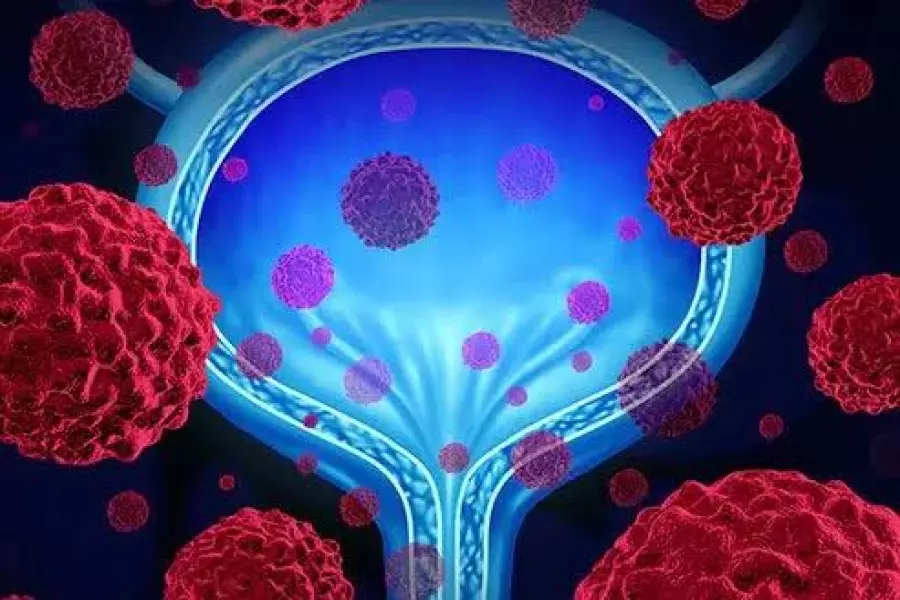
What Is Bladder Cancer?
The bladder is a hollow organ that stores urine before it leaves the body. The inside of the bladder is lined with cells known as urothelial cells. Most bladder cancers begin within this lining.
Bladder cancer can behave differently depending on whether it remains within the inner layers of the bladder or grows deeper into the bladder muscle. For this reason, determining the type, grade and stage of bladder cancer is important before treatment is planned.
Symptoms of Bladder Cancer:
Possible symptoms include:
- Blood in the urine
- Pink, red or dark-coloured urine
- Frequent urination
- Sudden urge to urinate
- Burning or pain while urinating
- Difficulty passing urine
Some patients may notice blood in the urine only once.
More advanced disease may sometimes cause:
- Persistent pelvic pain
- Back pain
- Reduced appetite
- Unexplained weight loss
- Persistent tiredness
These symptoms can also occur due to non-cancerous urinary conditions.
Is Blood in Urine a Sign of Bladder Cancer?
Blood in urine, also known as haematuria, is one of the important symptoms that requires urological evaluation.
However, blood in urine does not automatically mean bladder cancer.
Other possible causes include:
- Urinary tract infection
- Kidney stones
- Bladder stones
- Prostate enlargement
- Kidney disease
- Other urinary tract conditions
A proper evaluation is required to determine the cause.
Risk Factors for Bladder Cancer:
Factors associated with increased bladder cancer risk include:
- Cigarette or tobacco smoking
- Increasing age
- Long-term exposure to certain occupational chemicals
- Previous treatment with certain cancer therapies
- Previous radiation to the pelvic region in selected patients
- Chronic bladder irritation in some circumstances
Smoking is an important modifiable risk factor for bladder cancer.
How Is Bladder Cancer Diagnosed?
Evaluation may include:
1. Urine Tests:
Urine may be tested for:
- Blood
- Infection
- Abnormal cells in selected situations
2. Ultrasound:
An ultrasound of the kidneys and bladder may detect a bladder growth or other urinary abnormality.
3. CT Scan:
CT imaging can provide further information about the bladder, kidneys, ureters and surrounding structures.
4. Cystoscopy:
Cystoscopy allows the urologist to examine the inside of the bladder directly using a thin endoscopic instrument passed through the urethra.
5. TURBT and Biopsy:
If a bladder tumour is detected, Transurethral Resection of Bladder Tumour (TURBT) may be performed. During TURBT, the tumour is removed or sampled through the natural urinary passage.
The tissue is then examined by a pathologist to determine:
- Type of cancer
- Grade
- Depth of tumour involvement
Non-Muscle-Invasive vs Muscle-Invasive Bladder Cancer:
Bladder cancer is commonly divided into two broad groups.
1. Non-Muscle-Invasive Bladder Cancer:
The cancer is limited to the inner layers of the bladder and has not grown into the main bladder muscle.
Treatment may involve:
- TURBT
- Medicines placed directly inside the bladder in selected patients
- Regular cystoscopy surveillance
2. Muscle-Invasive Bladder Cancer:
The tumour has grown into the muscular layer of the bladder. Treatment may require more extensive management, which can include surgery, chemotherapy, radiation or a combination of treatments depending on the individual case.
Bladder Cancer Treatment Options:
Treatment depends on:
- Cancer stage
- Tumour grade
- Number and size of tumours
- Previous bladder tumours
- General health
- Risk of recurrence and progression
TURBT for Bladder Cancer:
TURBT is an important procedure used both to diagnose and treat many bladder tumours. The procedure is performed through the urethra without making an external incision.
The removed tissue is sent for pathological examination. Further treatment is then planned based on the pathology report.
Intravesical Treatment:
Selected patients with non-muscle-invasive bladder cancer may require medicines placed directly into the bladder. The type and schedule of treatment depend on the patient’s tumour characteristics and risk category.
Surgery for Bladder Cancer:
Selected patients with more advanced bladder cancer may require surgery to remove part or all of the bladder. The exact surgical approach depends on the stage of cancer and the patient’s overall condition.
Chemotherapy, Immunotherapy and Radiation:
Depending on the stage and type of bladder cancer, treatment may also involve:
- Chemotherapy
- Immunotherapy
- Radiation therapy
These treatments are generally coordinated through a multidisciplinary cancer team.
Why Is Follow-Up Important After Bladder Cancer Treatment?
Bladder cancer can recur after treatment. Regular surveillance is therefore an important part of bladder cancer care.
Follow-up may include:
- Cystoscopy
- Urine investigations
- Imaging
- Other tests according to cancer risk
Patients should follow the surveillance schedule recommended by their treating urologist.
When Should You Consult a Urologist?
Seek urological evaluation if you experience:
- Visible blood in urine
- Repeated blood detected on urine testing
- Unexplained urinary symptoms
- Bladder mass seen on ultrasound
- Abnormal bladder findings on CT scan
- Previously diagnosed bladder tumour
- Recurrent bladder cancer
Bladder Cancer Treatment by Dr. Sumit Chaudhari:
Dr. Sumit Chaudhari provides evaluation for blood in urine, bladder tumours and suspected bladder cancer at Usha Urology & Andrology Clinic in Pimple Saudagar.
Patients can consult for:
- Review of ultrasound or CT findings
- Cystoscopy planning
- Bladder tumour evaluation
- TURBT-related treatment planning
- Review of biopsy reports
- Follow-up after bladder cancer treatment
Frequently Asked Questions:
Blood in the urine is one of the most important warning signs and should be medically evaluated.
Yes. Blood in urine should be investigated even if there is no pain or if it occurs only once.
No. Stones, infection, prostate disease and several other conditions can cause haematuria.
Cystoscopy is an endoscopic procedure used to examine the inside of the bladder and urethra.
TURBT stands for Transurethral Resection of Bladder Tumour. It is performed through the urinary passage to remove or sample a bladder tumour.
Yes. Some bladder cancers can recur, which is why regular follow-up and cystoscopy may be required.
No. Treatment depends on the tumour’s stage and grade. Many non-muscle-invasive bladder cancers are managed without removing the bladder.
Dr. Sumit Chaudhari provides bladder tumour and bladder cancer evaluation at Usha Urology & Andrology Clinic in Pimple Saudagar, Pune.
Book an Appointment
If you notice blood in your urine, have an abnormal bladder scan or have been diagnosed with a bladder tumour, consult Dr. Sumit Chaudhari at Usha Urology & Andrology Clinic, Pimple Saudagar, Pune.
WhatsApp us