
- +91-9860996584 Call Us Now
- sumitchaudharic12@gmail.com Drop Us a Line
Prostate Cancer
Prostate cancer develops when abnormal cells grow within the prostate gland. Some prostate cancers grow slowly and may remain limited to the prostate for a long period, while others can behave more aggressively and spread outside the gland.
Dr. Sumit Chaudhari provides evaluation and treatment planning for suspected and diagnosed prostate cancer at Usha Urology & Andrology Clinic in Pimple Saudagar, Pune. Patients with an elevated PSA, abnormal prostate examination, suspicious prostate MRI or diagnosed prostate cancer can consult for further urological assessment.
Patients from Pimple Saudagar, Wakad, Rahatani, Pimple Nilakh, Pimple Gurav and nearby PCMC areas can consult Dr. Sumit Chaudhari for prostate cancer evaluation and treatment guidance.
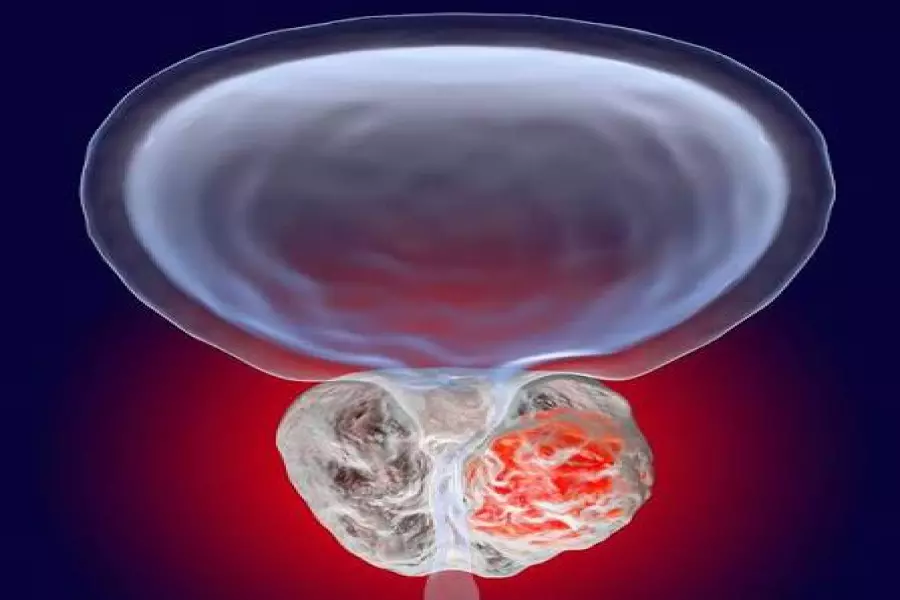
What Is Prostate Cancer?
The prostate is a small gland in the male reproductive system located below the bladder and in front of the rectum. It surrounds part of the urethra, the tube through which urine leaves the bladder.
Prostate cancer develops when cells inside the prostate grow abnormally. The behaviour of prostate cancer varies considerably between patients. For this reason, treatment is based on the individual cancer rather than using the same approach for every patient.
Symptoms of Prostate Cancer:
Early prostate cancer may not cause noticeable symptoms.
When symptoms occur, they may include:
- Weak urine flow
- Difficulty starting urination
- Frequent urination
- Increased urination at night
- Difficulty emptying the bladder
- Blood in urine
- Blood in semen
Advanced prostate cancer may sometimes cause:
- Persistent pain in the back, hips or pelvis
- Unexplained weight loss
- Weakness or fatigue
- Other symptoms related to spread of disease
Urinary symptoms are commonly caused by benign prostate enlargement and do not automatically mean cancer.
Who Is at Risk of Prostate Cancer?
Factors associated with prostate cancer include:
- Increasing age
- Family history of prostate cancer
- Certain inherited genetic changes
- Individual biological and health factors
Men with a strong family history may require an individual discussion about prostate evaluation.
What Is a PSA Test?
PSA stands for Prostate-Specific Antigen. PSA is produced by prostate tissue and can be measured through a blood test. An increased PSA does not automatically mean prostate cancer.
PSA can also increase due to:
- Benign Prostatic Hyperplasia (BPH)
- Prostatitis
- Urinary infection
- Recent prostate-related procedures
- Other prostate conditions
PSA results therefore need to be interpreted together with age, symptoms, prostate examination and other investigations.
Does High PSA Mean Prostate Cancer?
No. An elevated PSA is a reason for further evaluation rather than a diagnosis of cancer.
Depending on the individual case, a urologist may consider:
- Repeat PSA testing
- Prostate examination
- Urine testing
- MRI of the prostate
- Additional investigations
- Prostate biopsy
How Is Prostate Cancer Diagnosed?
Evaluation may involve several steps.
1. Medical History:
The urologist reviews:
- Urinary symptoms
- Previous PSA results
- Family history
- Previous prostate conditions
- General health
2. Digital Rectal Examination:
A digital rectal examination can help assess the size, shape and consistency of the prostate.
3. PSA Test:
PSA can help identify patients who may require further prostate evaluation.
4. Multiparametric MRI of the Prostate:
MRI may be recommended to identify suspicious areas in the prostate and help guide the decision regarding biopsy.
5. Prostate Biopsy:
A prostate biopsy involves obtaining small tissue samples from the prostate. These samples are examined by a pathologist to determine whether cancer is present. Biopsy also provides information regarding the characteristics and grade of the cancer.
Understanding Grade and Stage:
Once prostate cancer is diagnosed, doctors assess its grade and stage.
1. Grade:
The grade describes how abnormal the cancer cells appear and provides information about how the tumour may behave.
2. Stage:
Staging evaluates whether cancer:
- Remains confined to the prostate
- Has extended outside the prostate
- Involves lymph nodes
- Has spread to other organs or bones
Treatment planning depends heavily on this information.
Prostate Cancer Treatment Options:
Treatment depends on:
- Stage
- Grade
- PSA level
- Extent of disease
- Patient’s age
- Overall health
- Other medical conditions
- Individual preferences
Active Surveillance:
Selected patients with low-risk prostate cancer may not require immediate surgery or radiation. Active surveillance involves careful monitoring with appropriate investigations. Treatment can be considered if there is evidence that the cancer is progressing.
Radical Prostatectomy:
Radical prostatectomy is an operation in which the prostate gland and associated tissues are removed for selected patients with prostate cancer.
The surgical approach depends on:
- Cancer characteristics
- Patient health
- Previous surgery
- Individual anatomy
- Available surgical options
Radiation Therapy:
Radiation therapy can be used to treat selected localised or locally advanced prostate cancers. The appropriate approach is planned with a radiation oncology team.
Hormone Therapy:
Prostate cancer growth can be influenced by male hormones called androgens. Hormone therapy, also known as androgen deprivation therapy, lowers androgen levels or blocks their effect on cancer cells. It may be used alone or together with other treatments depending on the stage and risk category.
Treatment for Advanced Prostate Cancer:
Advanced disease may require systemic treatments such as:
- Hormonal therapy
- Chemotherapy
- Targeted treatments for selected patients
- Other specialised cancer therapies
Treatment is generally coordinated through a multidisciplinary team.
Does Every Prostate Cancer Require Immediate Treatment?
No.
Some prostate cancers have a low risk of progression and may be managed through active surveillance. Other cancers require surgery, radiation, hormonal treatment or combinations of treatments. The treatment decision is based on the individual patient’s cancer characteristics.
Follow-Up After Prostate Cancer Treatment:
Follow-up is important after treatment.
Monitoring may include:
- PSA testing
- Clinical examination
- Imaging where required
- Assessment of urinary symptoms
- Assessment of sexual function
- Monitoring treatment-related side effects
The follow-up schedule varies according to treatment and cancer risk.
When Should You Consult a Urologist?
Consider prostate evaluation if:
- PSA is elevated
- PSA is increasing over time
- Prostate examination is abnormal
- MRI shows a suspicious prostate lesion
- Prostate biopsy has been advised
- Prostate cancer has been diagnosed
- You need a second opinion regarding prostate cancer treatment
Prostate Cancer Care by Dr. Sumit Chaudhari:
Dr. Sumit Chaudhari provides evaluation and treatment planning for suspected and diagnosed prostate cancer at Usha Urology & Andrology Clinic in Pimple Saudagar.
Patients can consult for:
- PSA evaluation
- Prostate examination
- Review of prostate MRI
- Prostate biopsy planning
- Review of biopsy reports
- Discussion of surgical options
- Prostate cancer follow-up
Treatment recommendations are based on the patient’s diagnosis, stage, general health and individual clinical requirements.
Frequently Asked Questions:
No. PSA can increase because of BPH, prostatitis, infection and other prostate conditions.
Yes. Early prostate cancer may cause no noticeable symptoms.
No. BPH is a benign enlargement of the prostate and is different from prostate cancer.
Not every elevated PSA requires an immediate biopsy. A urologist may consider PSA history, examination, MRI and individual risk before recommending biopsy.
No. Treatment may include active surveillance, surgery, radiation, hormone therapy or other treatments depending on the cancer.
Active surveillance involves closely monitoring selected low-risk prostate cancers rather than treating them immediately.
Advanced prostate cancer can spread to other parts of the body, including bones. Appropriate staging tests are performed when clinically indicated.
Dr. Sumit Chaudhari provides prostate cancer evaluation and treatment planning at Usha Urology & Andrology Clinic in Pimple Saudagar, Pune.
Book an Appointment
If you have an elevated PSA, suspicious prostate MRI, have been advised a prostate biopsy or have already been diagnosed with prostate cancer, consult Dr. Sumit Chaudhari at Usha Urology & Andrology Clinic, Pimple Saudagar, Pune.
WhatsApp us