- +91-9860996584 Call Us Now
- sumitchaudharic12@gmail.com Drop Us a Line
Kidney Cancer
Kidney cancer develops when abnormal cells grow within the kidney and form a tumour. In many patients, small kidney tumours do not cause noticeable symptoms and may be discovered during an ultrasound, CT scan or MRI performed for another health concern.
Dr. Sumit Chaudhari provides evaluation and treatment planning for kidney tumours and kidney cancer at Usha Urology & Andrology Clinic in Pimple Saudagar, Pune. With expertise in Urology, Genito-Urinary Surgery and Laparoscopic Urological Surgery, he evaluates the size, location and extent of a kidney tumour before discussing suitable treatment options.
Patients from Pimple Saudagar, Wakad, Rahatani, Pimple Nilakh, Pimple Gurav and surrounding areas of PCMC can consult Dr. Sumit Chaudhari for suspected kidney cancer, an incidentally detected renal mass or a second opinion regarding kidney surgery.
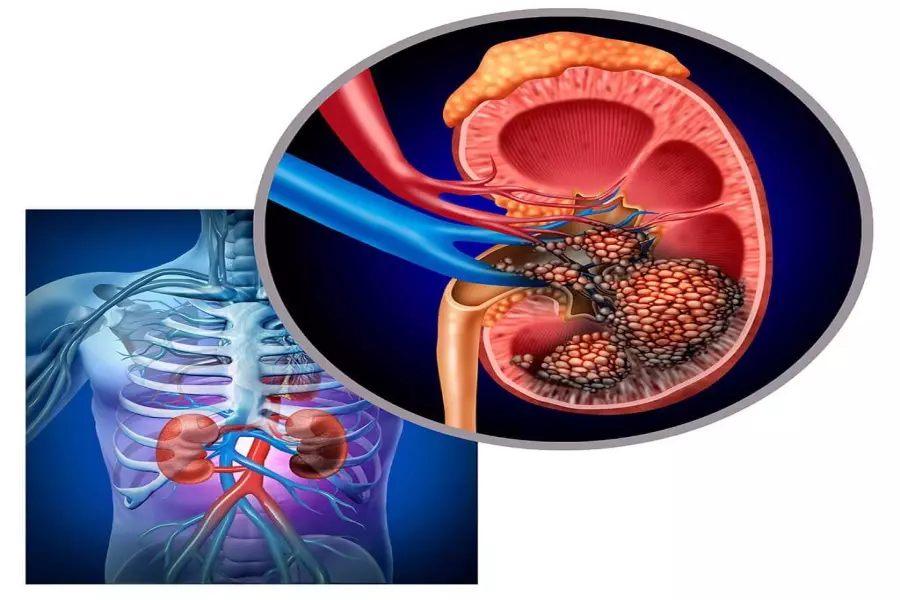
What Is Kidney Cancer?
The kidneys are two organs located towards the back of the abdomen. They filter waste products and excess fluid from the blood and produce urine. Kidney cancer occurs when cells within the kidney begin to grow abnormally.
The most common type of kidney cancer in adults is Renal Cell Carcinoma (RCC). Different subtypes of renal cell cancer can behave differently, which makes proper diagnosis and staging important before treatment is planned.
What Are the Symptoms of Kidney Cancer?
Early kidney cancer may not cause any symptoms.
When symptoms occur, they may include:
- Blood in the urine
- Persistent pain in the side or back
- A lump or swelling in the abdomen
- Unexplained weight loss
- Reduced appetite
- Persistent tiredness
- Anaemia in some patients
These symptoms can also occur due to non-cancerous conditions such as kidney stones or urinary infections. Proper evaluation is therefore necessary.
Kidney Tumour Detected on Ultrasound or CT Scan:
Many kidney tumours are discovered accidentally during scans performed for abdominal pain, digestive complaints or routine health evaluation.
Not every kidney mass is cancerous.
When a renal mass is detected, the urologist evaluates factors such as:
- Size of the tumour
- Location within the kidney
- Appearance on imaging
- Relationship to nearby blood vessels
- Function of both kidneys
- Evidence of spread outside the kidney
Further imaging or investigations may then be advised.
Risk Factors for Kidney Cancer:
Factors associated with an increased risk of kidney cancer may include:
- Smoking
- Increasing age
- Obesity
- High blood pressure
- Certain inherited genetic conditions
- Family history of kidney cancer
- Some forms of advanced kidney disease
Having one or more risk factors does not necessarily mean that a person will develop kidney cancer.
How Is Kidney Cancer Diagnosed?
Evaluation may involve several investigations.
- Ultrasound: Ultrasound can detect an abnormal mass or structural change in the kidney.
- CT Scan: A contrast-enhanced CT scan is commonly used to assess the kidney tumour, surrounding structures and other areas of the body where clinically required.
- MRI: MRI may be recommended in selected patients when additional information about the kidney mass or blood vessels is required.
- Kidney Tumour Biopsy: A biopsy is not required for every kidney mass. It may be recommended in selected patients when obtaining tissue is likely to influence the treatment decision. Blood and Urine Tests Tests may help assess:
- Kidney function
- Blood counts
- General health
- Urinary abnormalities
Stages of Kidney Cancer:
Staging helps determine how far the cancer has spread.
Kidney cancer may be:
- Confined to the kidney
- Extending into surrounding tissues
- Involving nearby lymph nodes
- Extending into nearby blood vessels
- Spread to distant organs
The stage of the disease is an important factor in deciding treatment.
Kidney Cancer Treatment Options:
Treatment depends on:
- Tumour size
- Tumour location
- Stage of cancer
- Function of both kidneys
- Patient’s age
- Overall medical condition
1. Partial Nephrectomy:
Partial nephrectomy involves removing the kidney tumour while preserving as much healthy kidney tissue as possible. It may be considered for selected localised kidney tumours when kidney-preserving surgery is technically and medically appropriate.
2. Radical Nephrectomy:
Radical nephrectomy involves removal of the affected kidney and additional tissues when required. It may be recommended when the tumour is large, complex or unsuitable for kidney-preserving surgery.
3. Laparoscopic Kidney Surgery:
Selected kidney tumours may be treated through minimally invasive laparoscopic surgery. Compared with a traditional large incision, laparoscopic surgery uses smaller incisions. Whether it is appropriate depends on the tumour and individual patient factors.
4. Active Surveillance:
Careful monitoring may be considered for selected small renal masses, particularly when the risks associated with treatment may outweigh the potential benefit of immediate intervention.
5. Treatment for Advanced Kidney Cancer:
Kidney cancer that has spread beyond the kidney may require systemic treatment such as:
- Immunotherapy
- Targeted therapy
- Other oncology treatments
Such patients are generally managed through a multidisciplinary cancer care team.
Partial Nephrectomy vs Radical Nephrectomy:
One of the common questions patients ask is whether the complete kidney needs to be removed.
The answer depends on:
- Tumour size
- Position of the tumour
- Complexity of the tumour
- Kidney function
- Condition of the opposite kidney
- Overall health of the patient
Preserving kidney tissue may be considered whenever it is medically and technically appropriate.
Can Kidney Cancer Be Treated With Minimally Invasive Surgery?
Selected kidney cancers can be treated using minimally invasive techniques such as laparoscopic surgery.
However, the surgical approach is determined individually. Some complex or advanced tumours may require a different surgical approach.
Recovery After Kidney Cancer Surgery:
Recovery varies according to:
- Type of surgery
- Extent of kidney removal
- Surgical technique
- Patient’s age and general health
- Presence of other medical conditions
Patients receive individual guidance regarding:
- Wound care
- Activity
- Diet
- Medicines
- Kidney function monitoring
- Follow-up imaging
Follow-Up After Kidney Cancer Treatment:
Regular follow-up is important after kidney cancer treatment.
Depending on the patient’s condition, follow-up may include:
- Clinical examination
- Kidney function tests
- Blood investigations
- Ultrasound
- CT scan
- MRI when indicated
The frequency of follow-up depends on the stage and type of cancer and treatment received.
When Should You Consult a Urologist?
Consider urological evaluation if you have:
- Blood in the urine
- Kidney mass detected on ultrasound
- Suspicious renal lesion on CT or MRI
- Persistent unexplained pain in the side
- Previously diagnosed kidney tumour
- Recommendation for partial or complete kidney removal
- Need for a second opinion regarding kidney cancer surgery
Kidney Cancer Care by Dr. Sumit Chaudhari:
Dr. Sumit Chaudhari is a Consultant Urologist with expertise in Genito-Urinary Surgery and Laparoscopic Urological Surgery. At Usha Urology & Andrology Clinic in Pimple Saudagar, patients with suspected kidney cancer can undergo consultation, review of scans and treatment planning.
Patients are encouraged to bring previous ultrasound, CT, MRI, blood investigations and medical records for assessment.
Frequently Asked Questions:
No. Some kidney masses are benign. Imaging and specialist evaluation help determine the nature of the mass and whether further investigation or treatment is required.
Yes. Small kidney cancers may not cause symptoms and are often discovered incidentally during imaging.
No. Partial nephrectomy may be possible for selected tumours. Other patients may require radical nephrectomy.
Partial nephrectomy is surgery in which the tumour is removed while preserving the remaining healthy part of the kidney.
Selected kidney tumours can be treated laparoscopically. Suitability depends on tumour characteristics and the patient’s condition.
Many people can live with one functioning healthy kidney. Kidney function should be monitored according to medical advice.
Consult a urologist with your ultrasound report. Further imaging such as a contrast-enhanced CT scan or MRI may be recommended depending on the finding.
You can consult Dr. Sumit Chaudhari at Usha Urology & Andrology Clinic in Pimple Saudagar, Pune, for kidney tumour evaluation and treatment planning.
Book an Appointment
If you have a kidney mass detected on ultrasound, CT or MRI, blood in urine or have been advised kidney surgery, consult Dr. Sumit Chaudhari at Usha Urology & Andrology Clinic, Pimple Saudagar, Pune.
WhatsApp us